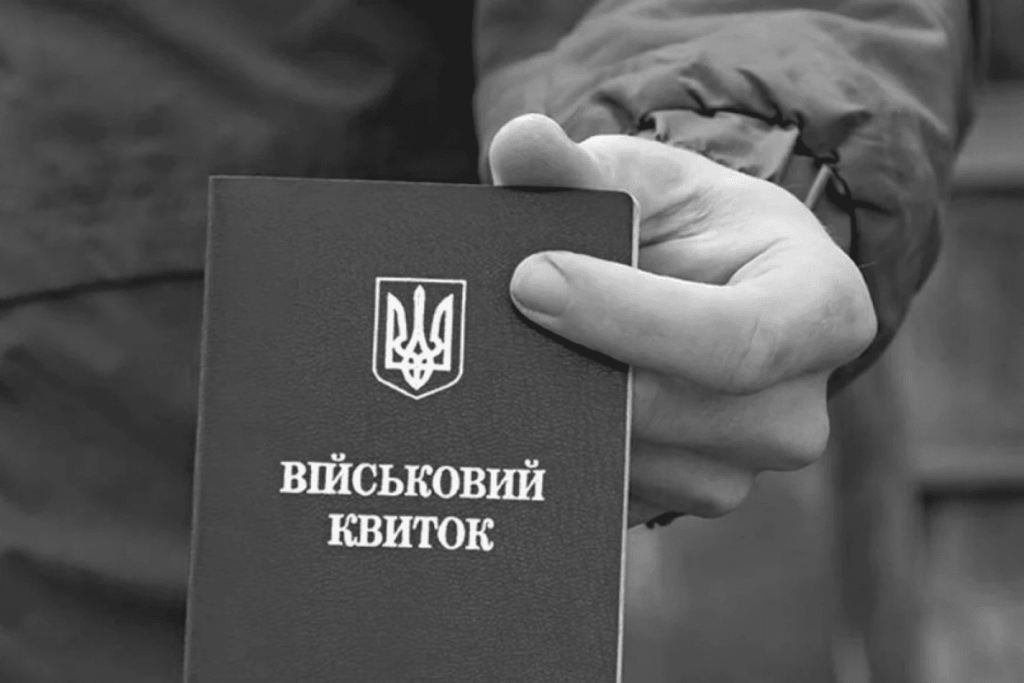
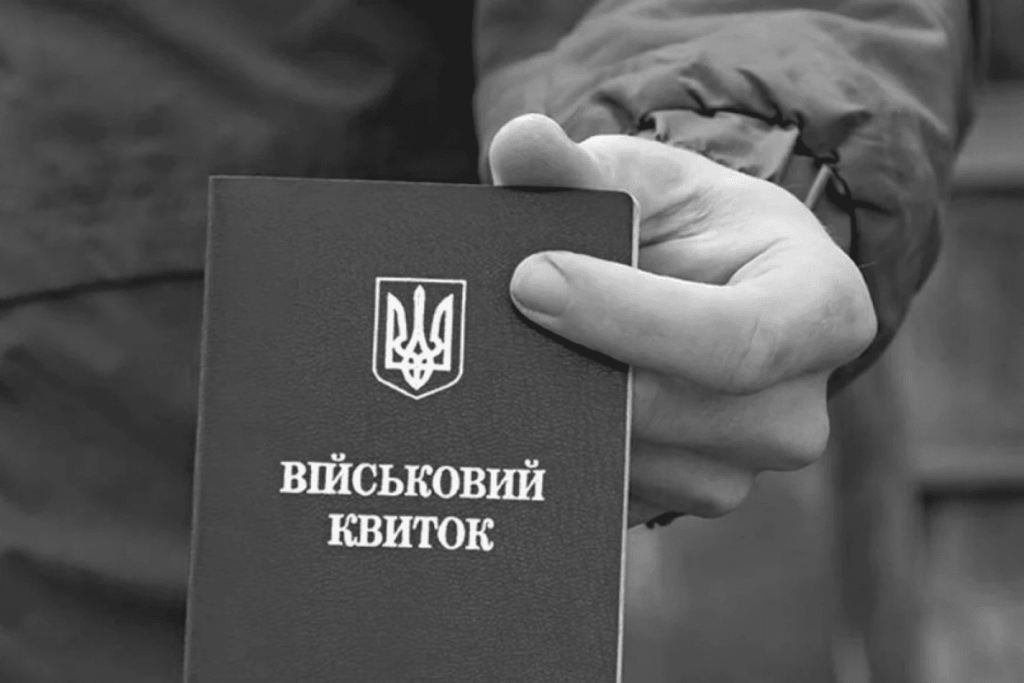
Війна змінила країну, і змінила саме розуміння права: його межі, застосування, відповідальність і навіть моральну вартість.
Саме тому Miller став генеральним партнером Першого форуму з військового права, який організовують Асоціація правників України / Ukrainian Bar Association, КНУ імені Тараса Шевченка та Інститут правотворчості НАН України.
Для нас це не просто професійна подія. Це логічне продовження нашої роботи у сфері військового права: від юридичного захисту й консультування — до публічних і інституційних змін. Це спосіб підсилювати тих, хто воює, і тих, хто повертається. Це про повагу до військових і відповідальність держави перед ними.
У програмі:
Захист прав і законних інтересів військовослужбовців та членів їхніх сімей.
Правове забезпечення оборони, військового обов’язку та служби: виклики і рішення.
Формування системи військової юстиції: синергія правового та політичного підходів.
Одним з модераторів сесії про розвиток військової юстиції стане засновник Miller Law Firm та ГО «Принцип» Masi Nayyem.
10 вересня, Київ / онлайн
10:00 – 17:00
Участь для військових безкоштовна (за попереднім запитом: forum@uba.ua)
Ми віримо: сильна армія потребує сильного права. І робимо все, щоб воно працювало не на папері, а на боці тих, хто захищає країну.
The war changed the country, and it changed the very understanding of law: its boundaries, application, responsibility, and even its moral value.
That is why Miller has become a general partner of the First Forum on Military Law organized by the Ukrainian Bar Association, Taras Shevchenko National University of Kyiv and the Institute of Lawmaking of the National Academy of Sciences of Ukraine.
For us, this is not just a professional event. This is a logical continuation of our work in the field of military law: from legal defense and counseling to public and institutional changes. It is a way to strengthen those who are fighting and those who are returning. This is about respect for the military and the state’s responsibility to them.
In the program:
Protecting the rights and legitimate interests of military personnel and their families.
Legal Support for Defense, Military Duty and Service: Challenges and Solutions.
Formation of the military justice system: synergy of legal and political approaches.
Masi Nayyem, the founder of Miller Law Firm and NGO Principle, will moderate the session on the development of military justice.
September 10, Kyiv / online
10:00 – 17:00
Participation is free for military personnel (by prior request: forum@uba.ua)
We believe that a strong army needs a strong law. And we are doing everything to make it work not on paper, but on the side of those who are defending the country.
Після 20 років існування в Україні скасували Господарський кодекс. Всі комерційні відносини тепер регулює Цивільний кодекс України. Це справжній крок до європейської інтеграції, але на практиці зміни торкнуться не всіх однаково.
Практика розділення на цивільний та господарський кодекси – це особливість, притаманна пострадянським країнам. У європейських країнах дуалізм приватного права (паралельне існування цивільного і торгового права) закінчився ще у XIX столітті з прийняттям у Франції Торгового кодексу 1808 року та Торгового кодексу Німеччини 1897 року, які стали логічним продовженням цивільних кодексів, а не окремими системами.
Радянська система створила власний варіант дуалізму – господарське право для планової економіки. Україна успадкувала цю модель і зберігала її навіть після переходу до ринкової економіки.
Закон №4196-IX прийняли ще у січні 2025 року, у лютому його підписав Президент, але в дію він вступив 28 серпня 2025 року. Цей документ остаточно ліквідує дуалізм у корпоративному праві. Розберемося, що це означає для бізнесу і чому законодавець вирішив це зробити саме зараз.
Чому скасували Господарський кодекс під час війни?
Приведення українського законодавства у відповідність до стандартів Європейського Союзу – головна мета реформи. У європейських країнах немає окремих господарських кодексів, всі комерційні відносини регулює цивільне право.
Водночас це вирішує і внутрішні проблеми. Господарський та Цивільний кодекси створювали правову невизначеність через суперечності між їх нормами. Єдиний базовий закон спрощує правозастосування для бізнесу і судів.
Чому саме зараз? Україна зобов’язана виконувати Угоду про асоціацію з Європейським Союзом, а війна, як це не парадоксально, прискорює євроінтеграційні процеси. Законодавець розраховує, що спрощене правове поле сприятеме залученню іноземних інвестицій для майбутньої відбудови країни.
Кого торкнуться зміни: великий розподіл
Малий та середній приватний бізнес відчує зміни мінімально. Максимум – доведеться підправити статути там, де є посилання на норми Господарського кодексу.
Великий приватний бізнес матиме більше роботи з адаптацією. Великі корпорації часто мають складні внутрішні регламенти, договірні шаблони та корпоративні процедури, які базувалися на нормах Господарського кодексу України. Потрібно буде переглянути всю документальну базу на предмет посилань на скасовані норми та привести її у відповідність до Цивільного кодексу України. Але це технічна робота, яка не змінює суті бізнес-процесів.
Державні та комунальні підприємства чекають кардинальні зміни. Закон забороняє створювати нові юридичні особи у таких організаційно-правових формах:
державні підприємства (комерційні та некомерційні)
комунальні підприємства
спільні комунальні підприємства
приватні підприємства
іновативні підприємства
підприємства громадських об’єднань, релігійних організацій, профспілок
підприємства споживчої кооперації
Існуючі підприємства цих форм мають три роки на реорганізацію в товариства з обмеженою відповідальністю (ТОВ) або акціонерні товариства (АТ).
Власність при цьому залишається державною чи комунальною – змінюється тільки організаційно-правова форма.
Чому держава вирішила прибрати “державні” та “комунальні” підприємства у старому вигляді?
Тому що формат державних/комунальних унітарних підприємств визнаний застарілим і непрозорим. Застарілі форми не відповідають стандартам корпоративного управління, які існують в ЄС та за рекомендаціями OECD.
Реформа передбачає корпоратизацію: усі державні та комунальні підприємства мають бути перетворені у АТ або ТОВ (або неприбуткові організації, де держава/громада володітиме 100% акцій). Це дає змогу отримувати держвласнику прибуток не просто від управління активами, а від капіталу.
Відповідно підвищуються прозорість і підзвітність: операції з майном мають проводитися через відкриті аукціони (“Прозорро”), публікуватиметься фінансова звітність тощо. Отже, держава відмовляється від прямого управління “націоналізованими” підприємствами на користь сучасних корпоративних механізмів, що сприятиме прозорості і залученню інвестицій.
Як це вплине на інвесторів: їм буде легше чи важче заходити в Україну?
Це повинно полегшити вхід інвесторам. Перехід на єдину систему правових норм робить регуляторне середовище прозорішим і передбачуванішим. Інвестори люблять, коли правила є зрозумілими: тепер не доведеться розділяти, який кодекс застосовувати до контракту чи майнових відносин. У підсумку Україна стає ближчою до правових стандартів Європейського Союзу, а відтак іноземним інвесторам буде зрозуміліше і безпечніше вкладати кошти тут.
Три роки на адаптацію: що потрібно встигнути до 2028-го?
Закон №4196-ІХ встановлює перехідний період тривалістю три роки з моменту набрання ним чинності (тобто з 28 серпня 2025 по 28 серпня 2028 року).
Протягом цього часу діють особливі норми, які поступово переводять державні й комунальні підприємства в сучасні форми (АТ чи ТОВ) і адаптують усі нормативні акти. Такий “м’який старт” покликаний дати бізнесу достатньо часу для перереєстрації, оновлення договорів та інших змін. За цей перехідний період підприємствам рекомендується поступово оновлювати документи і приготуватися до роботи за новими правилами.
Що буде, якщо компанія не встигне змінити документи?
Якщо компанія не адаптує свої документи до кінця перехідного періоду, це може призвести до правової невизначеності та ризиків.
Зокрема, компанії у застарілих організаційних формах із 2028 року не зможуть вносити зміни до Єдиного державного реєстру, крім випадків ліквідації чи банкрутства. Це означає, що підприємство не зможе міняти керівника чи склад учасників, що може ускладнити операційну діяльність.
Для державних підприємств закон передбачає жорсткіший сценарій: якщо протягом перших 6 місяців після набрання чинності закону керівництво не ухвалить рішення про перетворення в ТОВ або АТ, майно таких підприємств буде передано Фонду державного майна.
Договори та документи: що переписувати?
Насамперед треба перевірити установчі документи та контракти. Статути (установчі договори) компаній, які містять посилання на норми Господарського кодексу України, можуть містити застарілі або невідповідні новому законодавству положення.
Також слід переглянути шаблони договорів і угод: в них можуть бути спеціальні формулювання з посиланням на Господарський кодекс України або “господарський договір”. Якщо такі зустрічаються, їх потрібно замінити посиланнями зокрема на норми Цивільного кодексу України.
У цілому рекомендується провести аудит внутрішніх положень компанії (наприклад положення про відповідальність керівників чи органів управління), щоби впевнитися, що вони не суперечать оновленим правилам.
Статути та установчі договори – якщо там є згадки Господарського кодексу України, слід внести правки;
Договори і контракти – переглянути типові форми (договір поставки, оренди тощо), прибрати посилання на Господарський кодекс України;
Внутрішні документи (положення, накази) – переконатися, що опис посадових обов’язків чи механізми управління відповідають Цивільному кодексу України.
Це дозволить уникнути непорозумінь та автоматично сконвертувати бізнес у нову правову реальність.
Що буде з працівниками?
Для співробітників підприємств, які проходять реорганізацію, особливо нічого не зміниться. Трудові відносини зберігаються в повному обсязі.
Ризики виникають тільки у разі, якщо підприємство вирішить ліквідуватися замість реорганізації або не виконає вимоги закону. Тоді його долю вирішуватиме Фонд державного майна.
Чи стане простіше вирішувати спори?
Безумовно, так. Замість двох кодексів, які іноді суперечили один одному, тепер діятиме основний Закон для всіх учасників ринку.
Це зменшить правове навантаження на бізнес і спростить роботу юристів. Іноземним інвесторам також буде легше розуміти “правила гри” – адже система стане подібною європейській.
Висновок
Скасування Господарського кодексу – це не революція, а еволюція. Приватний бізнес відчує зміни мінімально, а от державним підприємствам доведеться серйозно попрацювати.
Головна мета реформи – створення прозорішого правового поля, зрозумілого для європейських партнерів та інвесторів. І в цьому контексті скасування дуалізму в корпоративному праві – логічний крок.
Дмитро Деркач, адвокат практики вирішення спорів юридичної компанії Miller, для Бізнес Цензор.
After 20 years of existence, the Commercial Code has been abolished in Ukraine. All commercial relations are now regulated by the Civil Code of Ukraine. This is a real step towards European integration, but in practice the changes will not affect everyone equally.
The practice of dividing into civil and commercial codes is a feature inherent in post-Soviet countries. In European countries, the dualism of private law (the parallel existence of civil and commercial law) ended in the 19th century with the adoption of the Commercial Code of 1808 in France and the Commercial Code of 1897 in Germany, which became a logical continuation of the civil codes, rather than separate systems.
The Soviet system created its own version of dualism – economic law for a planned economy. Ukraine inherited this model and preserved it even after the transition to a market economy.
Law No. 4196-IX was adopted back in January 2025, signed by the President in February, but came into effect on August 28, 2025. This document finally eliminates dualism in corporate law. Let’s figure out what this means for business and why the legislator decided to do it now.
Why was the Economic Code abolished during the war?
Bringing Ukrainian legislation into line with European Union standards is the main goal of the reform. European countries do not have separate economic codes; all commercial relations are regulated by civil law.
At the same time, it also solves internal problems. The Commercial and Civil Codes created legal uncertainty due to contradictions between their norms. A single basic law simplifies law enforcement for businesses and courts.
Why now? Ukraine is obliged to implement the Association Agreement with the European Union, and the war, paradoxically, accelerates the European integration processes. The legislator expects that a simplified legal framework will facilitate the attraction of foreign investments for the future reconstruction of the country.
Who will be affected by the changes: a large distribution
Small and medium-sized private businesses will feel the changes minimally. At most, they will have to correct their charters where there are references to the norms of the Commercial Code.
Large private businesses will have more work to do with adaptation. Large corporations often have complex internal regulations, contractual templates, and corporate procedures that were based on the norms of the Commercial Code of Ukraine. It will be necessary to review the entire documentary base for references to the abolished norms and bring it into line with the Civil Code of Ukraine. But this is technical work that does not change the essence of business processes.
State and municipal enterprises are facing radical changes. The law prohibits the creation of new legal entities in the following organizational and legal forms:
state-owned enterprises (commercial and non-commercial)
utilities
joint utility companies
private enterprises
innovative enterprises
enterprises of public associations, religious organizations, trade unions
consumer cooperative enterprises
Existing enterprises of these forms have three years to reorganize into limited liability companies (LLCs) or joint-stock companies (JSCs).
The ownership remains state or communal – only the organizational and legal form changes.
Why did the state decide to eliminate “state” and “municipal” enterprises in their old form?
Because the format of state/municipal unitary enterprises is recognized as outdated and opaque. Outdated forms do not meet the corporate governance standards that exist in the EU and according to OECD recommendations.
The reform involves corporatization: all state and municipal enterprises must be transformed into joint-stock companies or LLCs (or non-profit organizations where the state/community will own 100% of the shares). This allows the state owner to receive profit not just from asset management, but from capital.
Accordingly, transparency and accountability are increasing: property transactions should be conducted through open auctions (“Prozorro”), financial statements will be published, etc. Thus, the state is abandoning direct management of “nationalized” enterprises in favor of modern corporate mechanisms, which will promote transparency and attract investment.
How will this affect investors: will it be easier or more difficult for them to enter Ukraine?
This should make it easier for investors to enter. The transition to a single system of legal norms makes the regulatory environment more transparent and predictable. Investors like it when the rules are clear: now they don’t have to decide which code to apply to a contract or property relations. As a result, Ukraine is getting closer to the legal standards of the European Union, and therefore it will be clearer and safer for foreign investors to invest here.
Three years for adaptation: what needs to be done by 2028?
Law No. 4196-IX establishes a transitional period of three years from the date of its entry into force (i.e. from August 28, 2025 to August 28, 2028).
During this time, special regulations are in effect that gradually convert state and municipal enterprises into modern forms (JSC or LLC) and adapt all regulatory acts. Such a “soft start” is designed to give businesses enough time to re-register, update contracts and make other changes. During this transition period, enterprises are recommended to gradually update their documents and prepare to work under the new rules.
What happens if the company does not have time to change the documents?
If a company does not adapt its documents by the end of the transition period, this may lead to legal uncertainty and risks.
In particular, companies with outdated organizational forms will not be able to make changes to the Unified State Register from 2028, except in cases of liquidation or bankruptcy. This means that the company will not be able to change the manager or the composition of participants, which may complicate operations.
For state-owned enterprises, the law provides for a stricter scenario: if within the first 6 months after the law comes into force, the management does not make a decision to transform into an LLC or JSC, the property of such enterprises will be transferred to the State Property Fund.
Contracts and documents: what to rewrite?
First of all, you need to check the constituent documents and contracts. The charters (constituent agreements) of companies that contain references to the norms of the Commercial Code of Ukraine may contain outdated or inconsistent provisions with the new legislation.
You should also review the templates of contracts and agreements: they may contain special wording referring to the Commercial Code of Ukraine or a “commercial contract.” If such are found, they should be replaced with references, in particular, to the norms of the Civil Code of Ukraine.
In general, it is recommended to audit the company’s internal regulations (for example, regulations on the liability of managers or management bodies) to ensure that they do not contradict the updated rules.
Charters and founding agreements – if there are references to the Commercial Code of Ukraine, amendments should be made;
Agreements and contracts – review standard forms (supply agreement, lease, etc.), remove references to the Commercial Code of Ukraine;
Internal documents (regulations, orders) – make sure that job descriptions or management mechanisms comply with the Civil Code of Ukraine.
This will avoid misunderstandings and automatically convert the business into a new legal reality.
What will happen to the employees?
For employees of enterprises undergoing reorganization, nothing much will change. Labor relations will be preserved in full.
Risks arise only if the enterprise decides to liquidate instead of reorganize or fails to comply with the requirements of the law. In that case, its fate will be decided by the State Property Fund.
Will it become easier to resolve disputes?
Absolutely yes. Instead of two codes that sometimes contradicted each other, now there will be a basic Law for all market participants.
This will reduce the legal burden on businesses and simplify the work of lawyers. It will also be easier for foreign investors to understand the “rules of the game” – because the system will become similar to the European one.
Conclusion
The repeal of the Commercial Code is not a revolution, but an evolution. Private business will feel the changes minimally, but state-owned enterprises will have to work hard.
The main goal of the reform is to create a more transparent legal framework that is understandable to European partners and investors. And in this context, the abolition of dualism in corporate law is a logical step.
Dmytro Derkach, an attorney in the dispute resolution practice of Miller Law Firm, for Business Censor.
14 липня 2025 року Кабінет Міністрів ухвалив Постанову №847, якою вніс зміни до Критеріїв і Порядку визначення підприємств, установ і організацій критично важливими. Вони стосуються не лише суб’єктів, важливих для економіки та життєзабезпечення, а й тих, хто забезпечує потреби Збройних Сил України.
Ці зміни внесено до раніше затвердженої Постанови КМУ №76 від 27.01.2023 (із подальшими змінами).
Кого це стосується?
підприємств, установ та організацій, які планують подавати заяву на отримання статусу критично важливого;
тих, хто вже подав заяву та очікує на рішення.
Що саме змінилось?
Уточнено, хто саме має право надавати підприємству статус критично важливого — залежно від рівня органу та сфери діяльності компанії:
1. Центральні органи виконавчої влади (та інші державні органи, які діють по всій Україні) можуть визначати критично важливими підприємства, що працюють у національно важливих галузях або у сферах, за які ці органи відповідають у межах державної політики;
2. Обласні, Київська та Севастопольська міські державні (або військові) адміністрації можуть визнавати критично важливими лише комунальні підприємства, або підприємства, що розташовані на території цієї області чи міста і працюють у таких сферах:
сільське, лісове чи рибне господарство
добувна промисловість
переробна промисловість
постачання електроенергії, газу, пари та кондиційованого повітря
водопостачання та каналізація
поводження з відходами
будівництво
оптова та роздрібна торгівля
ремонт автотранспорту та мотоциклів
транспорт, складське господарство, поштова та кур’єрська діяльність
Якщо ви підпадаєте під пункт 2 Критеріїв — подавайте документи до центрального органу, що регулює вашу сферу.
Які наслідки таких змін?
Протягом 1 місяця з моменту набрання чинності Постановою №847 місцеві адміністрації переглянуть свої регіональні критерії критичності. Оновлені вимоги очікуються вже найближчим часом.
Наші рекомендації:
Якщо ви вже подали заяву — зв’яжіться з органом, до якого подавались (міністерство або ОВА/КМВА), щоб з’ясувати, чи впливають нові зміни на розгляд вашої заявки.
Якщо плануєте подаватися — уважно проаналізуйте, який саме орган має право розглядати заяву відповідно до вашої сфери діяльності.
Якщо маєте сумніви — ми можемо допомогти з аналізом, підготовкою документів і супроводом процедури отримання статусу критично важливого підприємства.
On July 14, 2025, the Cabinet of Ministers adopted Resolution No. 847, which introduced amendments to the Criteria and Procedure for Designating Enterprises, Institutions, and Organizations as Critically Important. They concern not only entities important for the economy and life support, but also those who provide for the needs of the Armed Forces of Ukraine.
These changes were made to the previously approved Resolution of the Cabinet of Ministers of Ukraine No. 76 dated January 27, 2023 (with further amendments).
Who does this concern?
enterprises, institutions and organizations that plan to apply for critical status;
those who have already submitted an application and are awaiting a decision.
What exactly has changed?
It has been clarified who exactly has the right to grant an enterprise the status of critical importance – depending on the level of the body and the company’s field of activity:
1. Central executive authorities (and other state authorities operating throughout Ukraine) may designate as critically important enterprises operating in nationally important industries or in areas for which these authorities are responsible within the framework of state policy;
2. Regional, Kyiv and Sevastopol city state (or military) administrations may recognize as critically important only municipal enterprises, or enterprises located in the territory of this region or city and operating in the following areas:
agriculture, forestry or fisheries
mining industry
processing industry
supply of electricity, gas, steam and conditioned air
water supply and sewage
waste management
construction
wholesale and retail trade
vehicle and motorcycle repair
transport, warehousing, postal and courier activities
If you fall under point 2 of the Criteria, submit documents to the central body that regulates your field.
What are the consequences of such changes?
Within 1 month from the date of entry into force of Resolution No. 847, local administrations will review their regional criticality criteria. Updated requirements are expected in the near future.
Our recommendations:
If you have already submitted an application, contact the body to which you applied (ministry or OVA/KMVA) to find out if the new changes affect the consideration of your application.
If you plan to apply, carefully analyze which body has the right to consider the application in accordance with your field of activity.
If you have any doubts, we can help with the analysis, preparation of documents, and support of the procedure for obtaining the status of a critical enterprise.
Ми в Miller переконані – перші вимірюють минуле, другі — визначають майбутнє.
Юридична газета оприлюднила дослідження «Лідери ринку 2025». І для нас це не про рядки в таблиці. Це про підтвердження фундаментального принципу, на якому стоїть Miller: в епоху турбулентності найнадійнішою валютою є репутація.
Цьогоріч методологія рейтингу зробила крок до абсолютної прозорості. 50% успіху — це складність та результат реальних кейсів. Але ключові 40% — це рекомендації колег по ринку.
Зупиніться та вдумайтесь. 40 відсотків нашої оцінки — це голоси тих, з ким ми зустрічаємось по інший бік столу в переговорах та в судах. Наші конкуренти та опоненти.
Це і є золотий стандарт визнання. Коли твою силу визнають не лише клієнти, а й ті, хто має всі причини її заперечувати.
Результати цього визнання:
Лідерство, що змінює правила гри. Наш партнер, Артем Крикун-Труш, увійшов до ТОП-20 ефективних менеджерів-партнерів України.
Ми хочемо, щоб ви подивилися на імена в цьому списку. Це 19 титанів, засновників та керуючих партнерів, які десятиліттями будували юридичний ринок таким, яким ми його знаємо. Опинитися в цій компанії — це не просто особиста нагорода. Це сигнал від ринку: нове покоління лідерів та сучасні моделі управління не просто конкурентні — вони задають новий стандарт ефективності. Це доказ того, що наша стратегія та підхід до роботи визнані на найвищому рівні.
Експертиза, що не знає компромісів. Нас визнали лідерами у практиках, де ціна помилки є найвищою:
White-Collar Crime.
Захист бізнесу
Військове право.
Кримінальне право та процес.
Комплаєнс.
Судова практика та медіація.
Ми не розглядаємо це як нагороду. Ми розглядаємо це як відповідальність. Відповідальність перед клієнтами, які довіряють нам свої найскладніші виклики. відповідальність перед ринком — тримати планку якості, етики та стійкості. Відповідальність перед командою, яка є живою системою нашого професіоналізму. Кожен міллерівець є причиною, чому такі перемоги стають можливими.
At Miller, we are convinced that the former measure the past, while the latter determine the future.
The Yurydychna Gazeta has published the Market Leaders 2025 research . And for us, it’s not about lines in a table. It is about confirming the fundamental principle on which Miller stands: in an era of turbulence, the most reliable currency is reputation.
This year, the rating methodology has taken a step towards absolute transparency. 50% of the success is the complexity and outcome of real cases. But the key 40% are recommendations from market colleagues.
Stop and think about it. 40 percent of our assessment is the voice of those we meet on the other side of the table in negotiations and in the courts. Our competitors and opponents.
This is the gold standard of recognition. When your strength is recognized not only by your clients, but also by those who have every reason to deny it.
The results of this recognition:
Leadership that changes the rules of the game. Our partner, Artem Krykun-Trush, was ranked among the TOP 20 most effective partner managers in Ukraine.
We want you to take a look at the names on this list. These are 19 titans, founders and managing partners who have been building the legal market as we know it for decades. Being in this company is not just a personal reward. It is a signal from the market: a new generation of leaders and modern management models are not just competitive – they set a new standard of efficiency. This is proof that our strategy and approach to work are recognized at the highest level.
Expertise that knows no compromise. We are recognized as leaders in practices where the cost of a mistake is the highest:
White-Collar Crime.
Business protection
Military law.
Criminal Law and Procedure.
Compliance.
Litigation and mediation.
We do not see it as a reward. We see it as a responsibility. Responsibility to our clients, who entrust us with their most difficult challenges. Responsibility to the market – to keep the bar high in quality, ethics and sustainability. Responsibility to the team, which is a living system of our professionalism. Each Miller employee is the reason why such victories become possible.
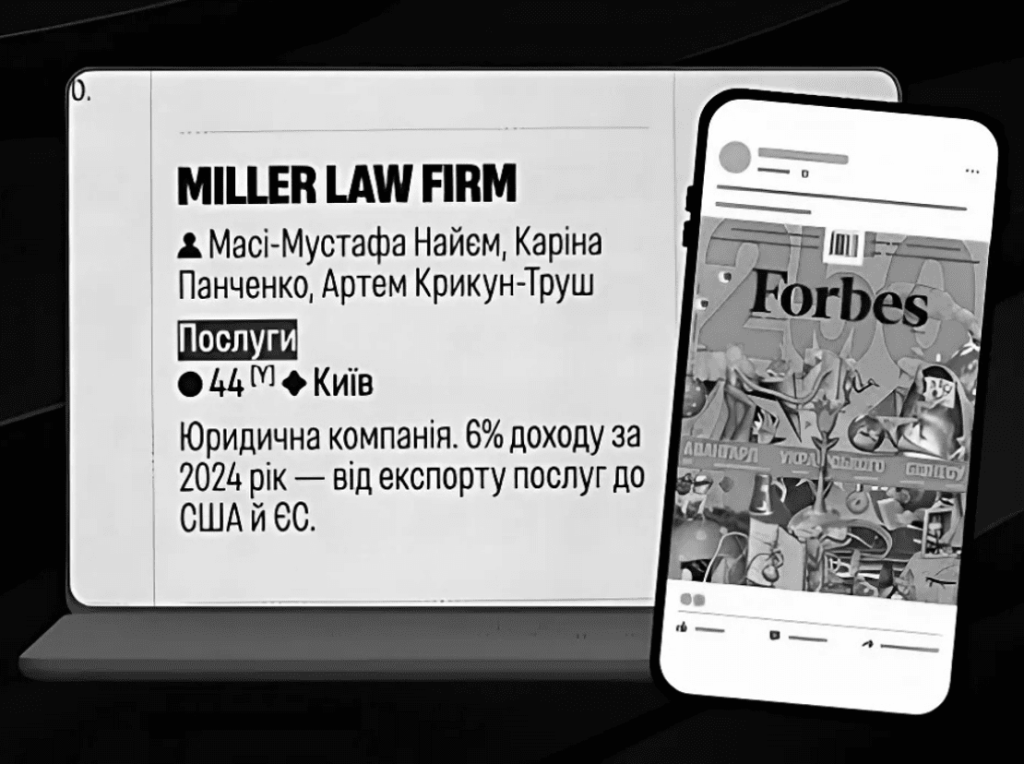
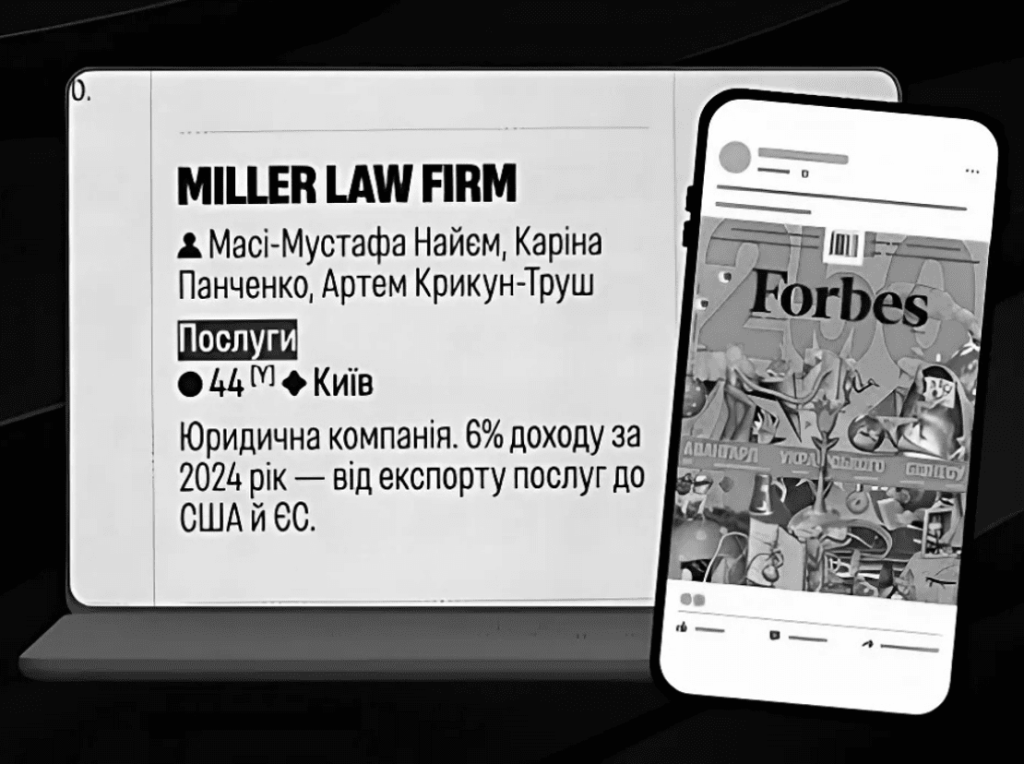
Miller Law Firm увійшов до списку Forbes Next 250 — рейтингу найперспективніших бізнесів України.
З понад 800 кандидатів обрали 250 компаній, які швидко зростають, створюють унікальний продукт, переосмислюють підхід до менеджменту та формують нову якість ринку.
Для нас це більше, ніж просто рейтинг.
Це визнання того, як ми мислимо. Як працюємо. Як будуємо.
Особливо приємно, що ми подавались самостійно, без залучення консультантів, без підтримки бізнес-асоціацій.
Просто показали те, що робимо щодня — і це оцінили.
Цінність саме цього рейтингу в тому, що він про бізнес по суті.
Про цифри. Рішення. Вплив.
Тут нема місця суб’єктивності — тільки те, що можна перевірити й підтвердити.
Юридичні компанії рідко потрапляють у цей список. Але ми тут.
І це вже не лише про цифри.
Це — про довіру:
Про команду, яка тримає рівень.
Про клієнтів, які довірилися.
Про партнерів, які підтримали.
І про виклики, які зробили нас сильнішими.
Forbes пише про бізнеси майбутнього. Ми творимо це майбутнє разом.
Miller Law Firm has been included in the Forbes Next 250 list, a ranking of the most promising businesses in Ukraine.
Out of more than 800 candidates, 250 companies were selected that are growing rapidly, creating unique products, rethinking their approach to management, and shaping a new quality of the market.
For us, this is more than just a rating.
This is a recognition of how we think. How we work. How we build.
It is especially gratifying that we applied on our own, without the involvement of consultants or the support of business associations.
We just showed what we do every day, and it was appreciated.
The value of this particular rating is that it is about business at its core.
About the numbers. About solutions. Impact.
There is no room for subjectivity – only what can be verified and confirmed.
Law firms rarely make this list. But we are here.
And it’s not just about numbers anymore.
It’s about trust:
About the team that keeps the level.
About the clients who trusted us.
About the partners who supported us.
And about the challenges that made us stronger.
Forbes writes about the businesses of the future. We are creating this future together.